
Plastic Canvas Patterns Free Printable
Plastic Canvas Patterns Free Printable - Here’s a few things to consider the next time you think about throwing a plastic item in the trash, the ocean or anywhere other than a recycling bin. Plastic products are prominent in the construction, transportation, and packaging industries. Plastic, polymeric material that has the capability of being molded or shaped, usually by the application of heat and pressure. Polymers are any of various complex organic compounds produced by. Here's what to know about plastic classifications, which ones are in common products, which plastics are recyclable and which are the most dangerous. Plastics are incredibly versatile materials that can be used to make a variety of products. Affordable, durable and flexible, plastic pervades modern life, appearing in everything from packaging to clothes to beauty products. There are two main types of plastics: Plastic products are generally versatile, durable and lightweight. But it is thrown away on a massive. Plastic products are generally versatile, durable and lightweight. In our continuing effort to provide educational resources on plastic pollution and sustainability, we thought we would address one of the most common questions we receive:. They are lightweight yet durable, strong yet malleable, and relatively inexpensive to produce. Their defining characteristic, plasticity, allows them to be molded, extruded, or pressed into a. Plastics are incredibly versatile materials that can be used to make a variety of products. But it is thrown away on a massive. Affordable, durable and flexible, plastic pervades modern life, appearing in everything from packaging to clothes to beauty products. Polymers are any of various complex organic compounds produced by. There are two main types of plastics: Breaking these down further, you can see the everyday uses of each type. Plastic products are generally versatile, durable and lightweight. Plastic, polymeric material that has the capability of being molded or shaped, usually by the application of heat and pressure. Their defining characteristic, plasticity, allows them to be molded, extruded, or pressed into a. Breaking these down further, you can see the everyday uses of each type. Plastic products are prominent in. Plastics are incredibly versatile materials that can be used to make a variety of products. Plastic products are generally versatile, durable and lightweight. Here's what to know about plastic classifications, which ones are in common products, which plastics are recyclable and which are the most dangerous. They are lightweight yet durable, strong yet malleable, and relatively inexpensive to produce. Polymers. But it is thrown away on a massive. Plastic products are generally versatile, durable and lightweight. Here’s a few things to consider the next time you think about throwing a plastic item in the trash, the ocean or anywhere other than a recycling bin. Plastic, polymeric material that has the capability of being molded or shaped, usually by the application. But it is thrown away on a massive. They are lightweight yet durable, strong yet malleable, and relatively inexpensive to produce. In our continuing effort to provide educational resources on plastic pollution and sustainability, we thought we would address one of the most common questions we receive:. This property of plasticity, often found in. Their defining characteristic, plasticity, allows them. Plastic, polymeric material that has the capability of being molded or shaped, usually by the application of heat and pressure. Affordable, durable and flexible, plastic pervades modern life, appearing in everything from packaging to clothes to beauty products. Plastics are incredibly versatile materials that can be used to make a variety of products. Their defining characteristic, plasticity, allows them to. Here’s a few things to consider the next time you think about throwing a plastic item in the trash, the ocean or anywhere other than a recycling bin. Polymers are any of various complex organic compounds produced by. Breaking these down further, you can see the everyday uses of each type. Here's what to know about plastic classifications, which ones. Plastics are a wide range of synthetic or semisynthetic materials composed primarily of polymers. Plastic, polymeric material that has the capability of being molded or shaped, usually by the application of heat and pressure. Here’s a few things to consider the next time you think about throwing a plastic item in the trash, the ocean or anywhere other than a. Affordable, durable and flexible, plastic pervades modern life, appearing in everything from packaging to clothes to beauty products. Their defining characteristic, plasticity, allows them to be molded, extruded, or pressed into a. Here’s a few things to consider the next time you think about throwing a plastic item in the trash, the ocean or anywhere other than a recycling bin.. Polymers are any of various complex organic compounds produced by. In our continuing effort to provide educational resources on plastic pollution and sustainability, we thought we would address one of the most common questions we receive:. Plastic products are prominent in the construction, transportation, and packaging industries. They are lightweight yet durable, strong yet malleable, and relatively inexpensive to produce.. Breaking these down further, you can see the everyday uses of each type. Here’s a few things to consider the next time you think about throwing a plastic item in the trash, the ocean or anywhere other than a recycling bin. Their defining characteristic, plasticity, allows them to be molded, extruded, or pressed into a. They are lightweight yet durable,. They are lightweight yet durable, strong yet malleable, and relatively inexpensive to produce. Plastics are incredibly versatile materials that can be used to make a variety of products. But it is thrown away on a massive. Breaking these down further, you can see the everyday uses of each type. In our continuing effort to provide educational resources on plastic pollution and sustainability, we thought we would address one of the most common questions we receive:. Here's what to know about plastic classifications, which ones are in common products, which plastics are recyclable and which are the most dangerous. Polymers are any of various complex organic compounds produced by. Plastic products are prominent in the construction, transportation, and packaging industries. Plastic, polymeric material that has the capability of being molded or shaped, usually by the application of heat and pressure. Plastics are a wide range of synthetic or semisynthetic materials composed primarily of polymers. Their defining characteristic, plasticity, allows them to be molded, extruded, or pressed into a. Here’s a few things to consider the next time you think about throwing a plastic item in the trash, the ocean or anywhere other than a recycling bin.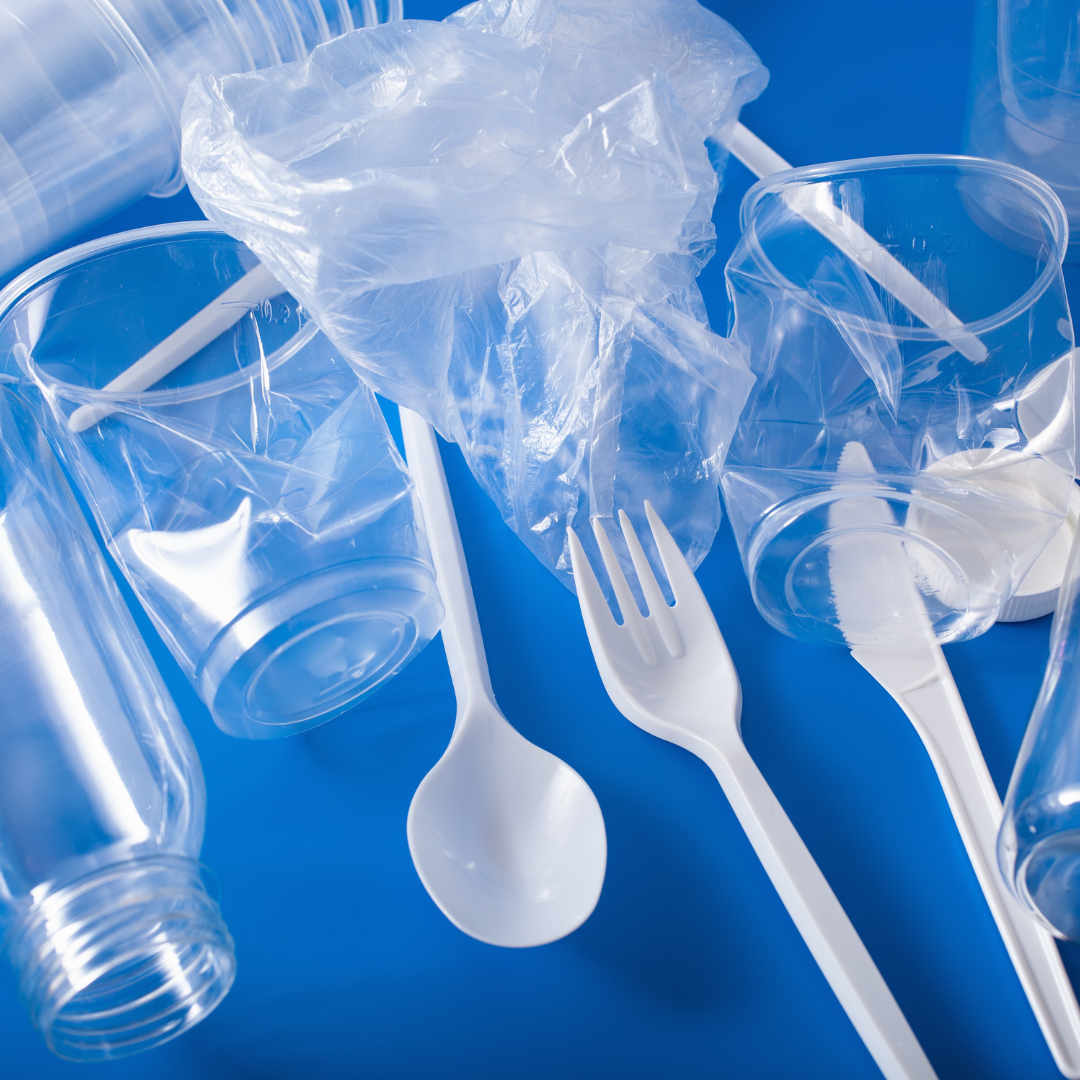
Action of the Week Just Say No to SingleUse Plastics Thompson Earth

What is Plastic? 4 Earth Global
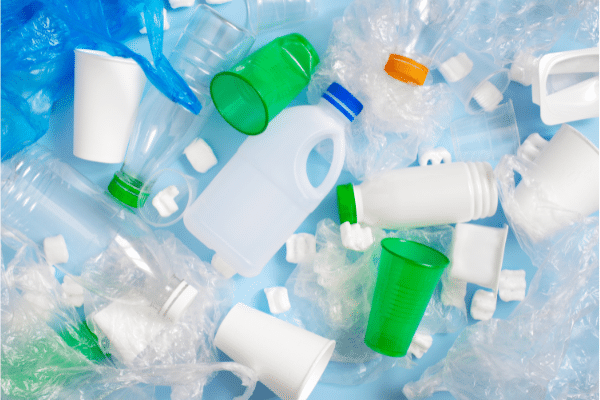
Plastic materials Types, composition and uses

Six Times More Plastic Waste is Burned in U.S. than is Recycled
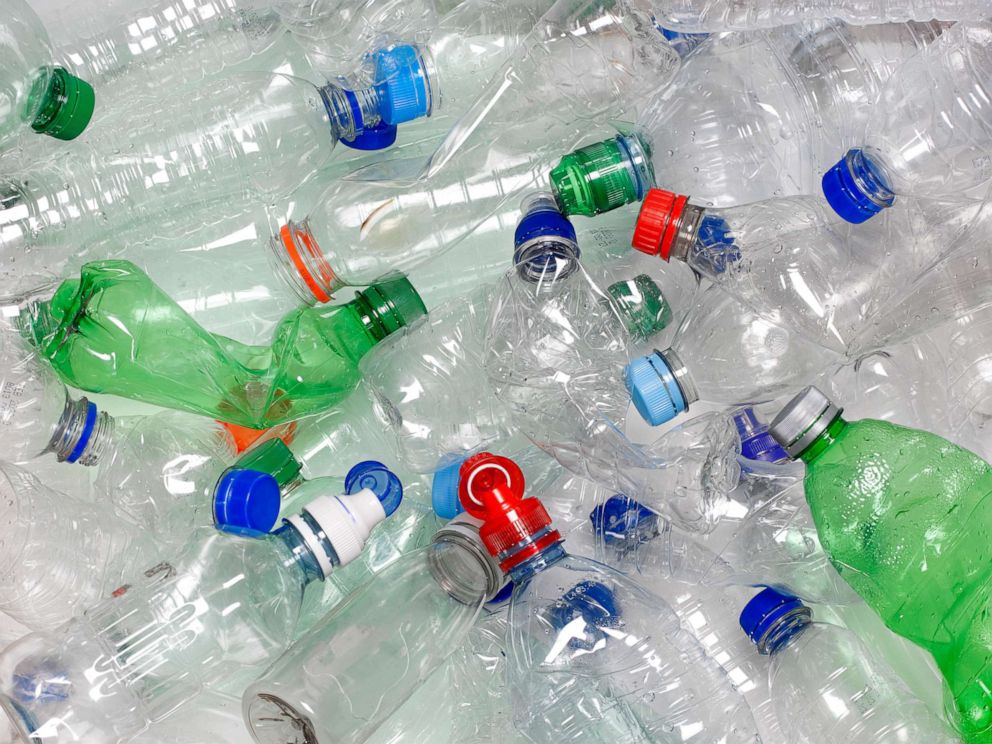
This is how scientists potentially could turn discarded plastic into
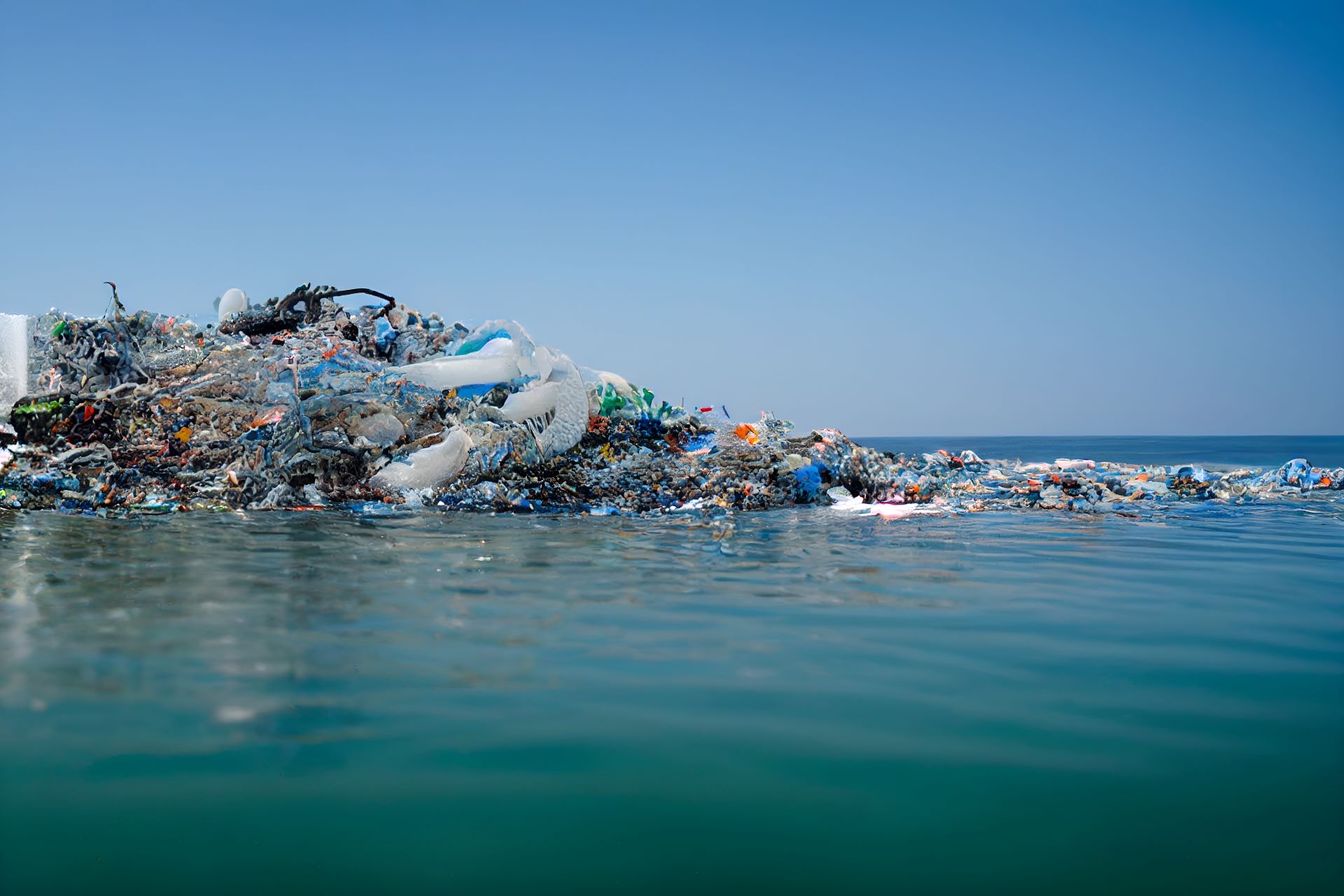
Scientists discover alarming new effect of plastic pollution in the
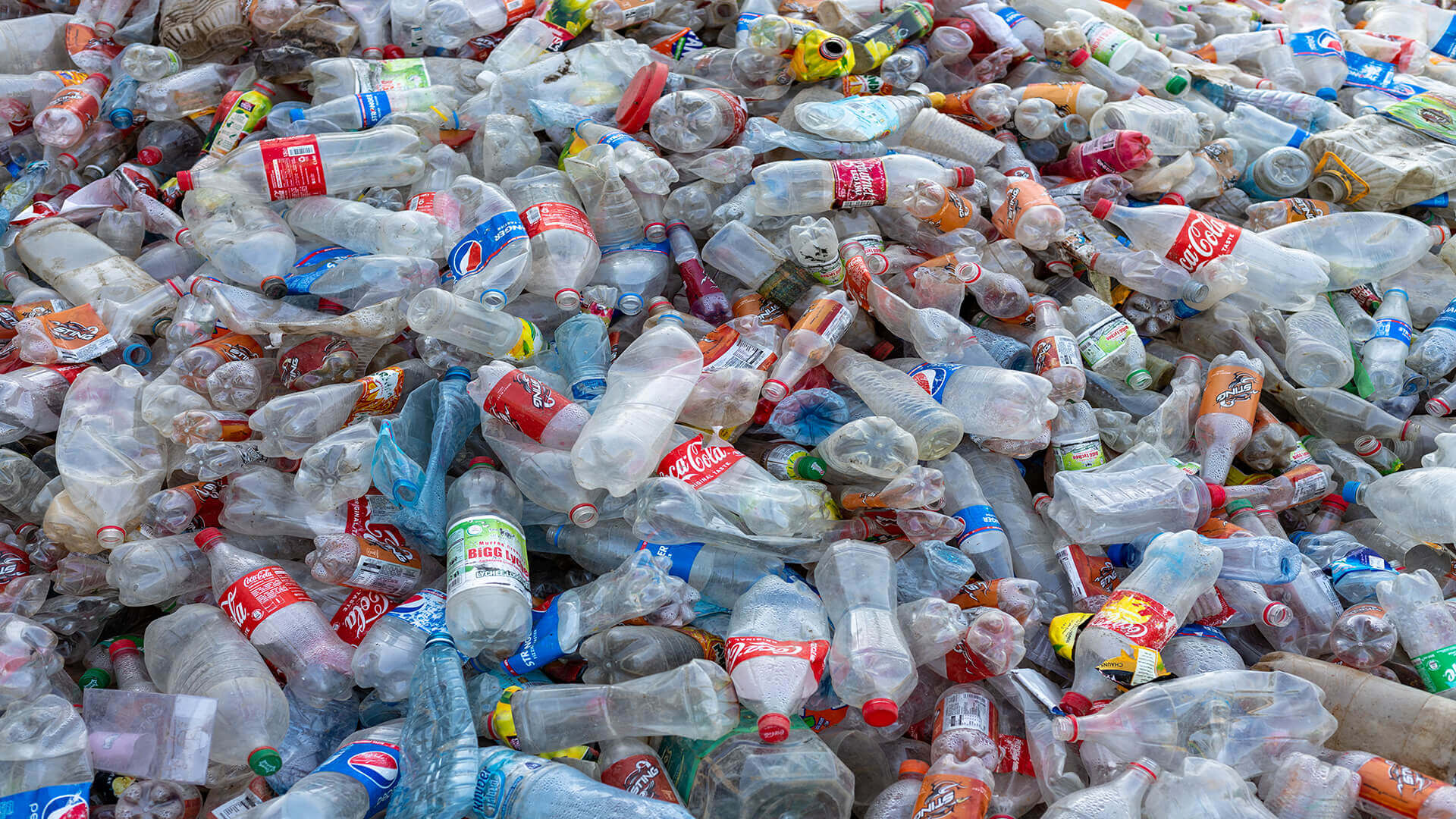
New report names CocaCola as the world's worst plastic polluter
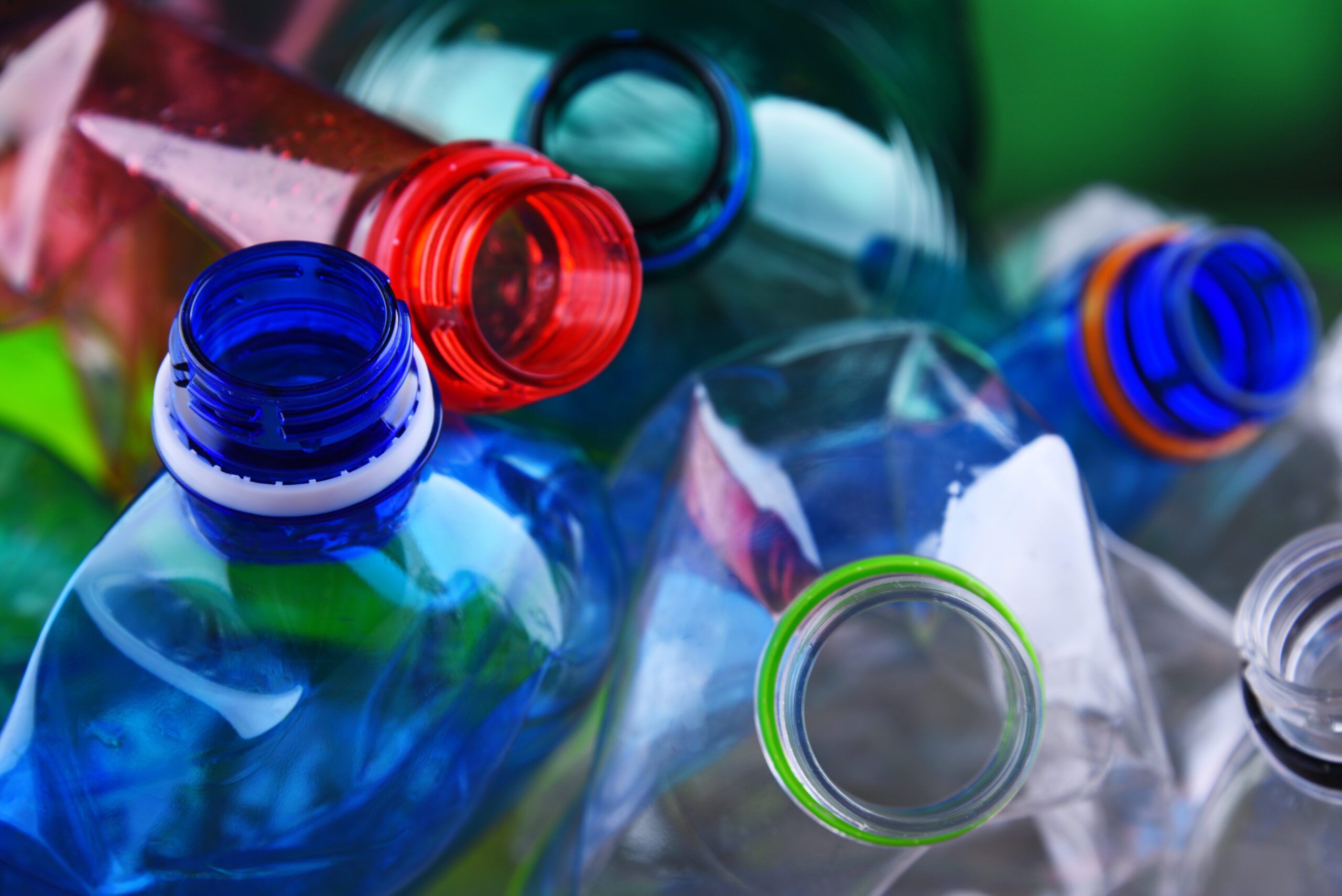
What is plastic? • Osservatorio della Plastica
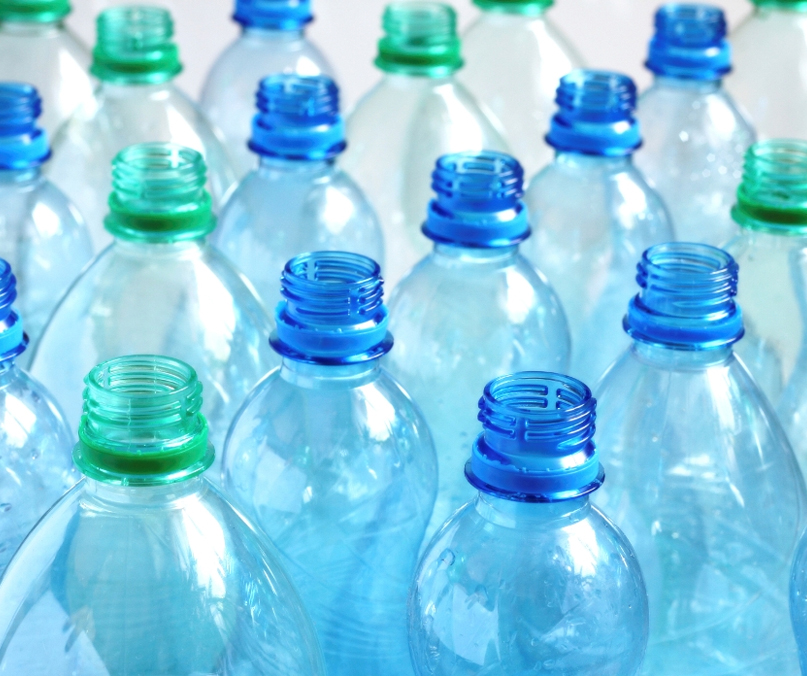
The history of plastic Plastic Industry Plastic & Chemical Trading
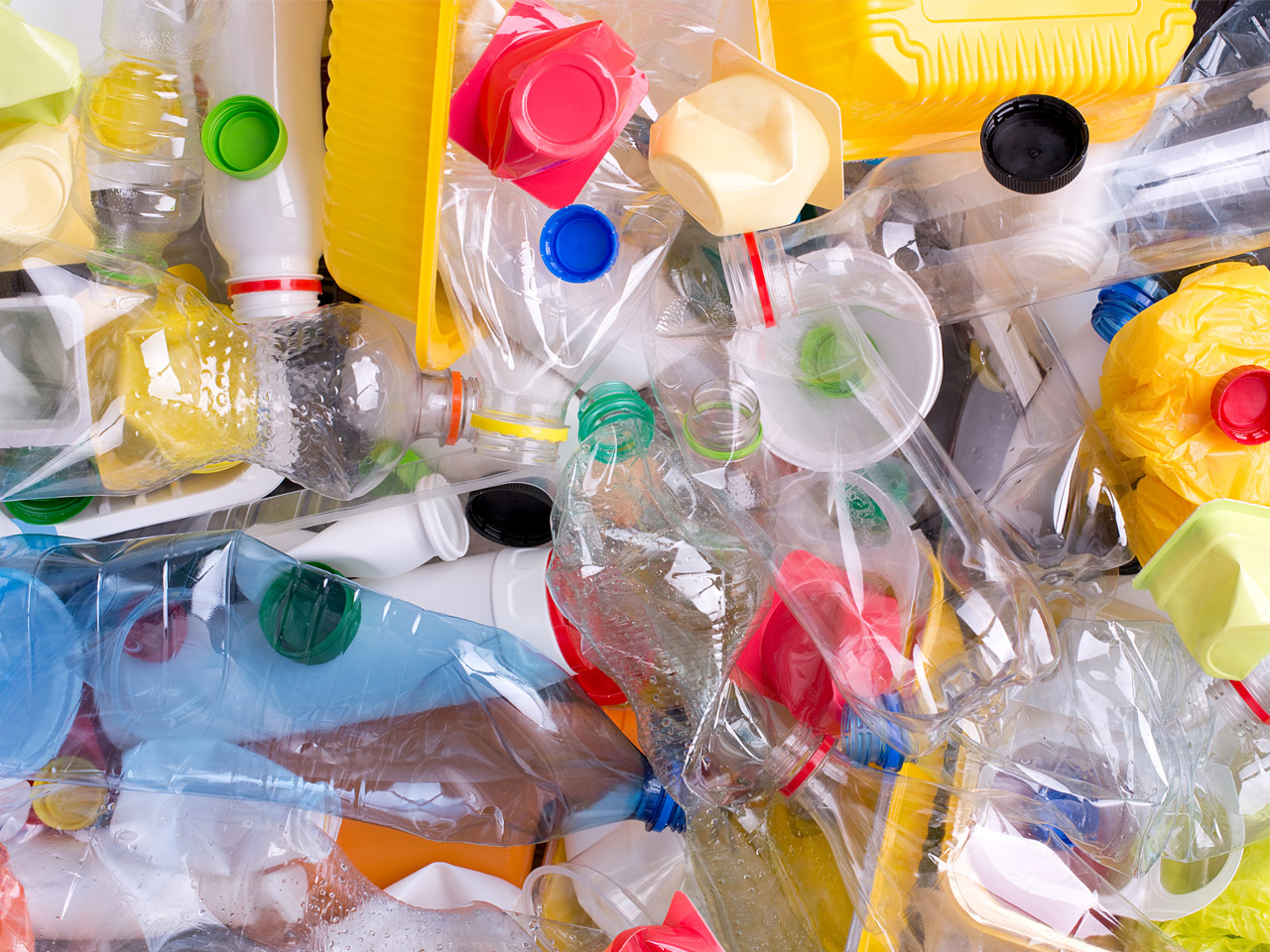
Plastics Are Made Out Of at Albert Vito blog
There Are Two Main Types Of Plastics:
Plastic Products Are Generally Versatile, Durable And Lightweight.
This Property Of Plasticity, Often Found In.
Affordable, Durable And Flexible, Plastic Pervades Modern Life, Appearing In Everything From Packaging To Clothes To Beauty Products.
Related Post: